
Healthy Habits
How to Add More Fiber to Your Daily Diet
By the Aahardaily team · · 5 min read
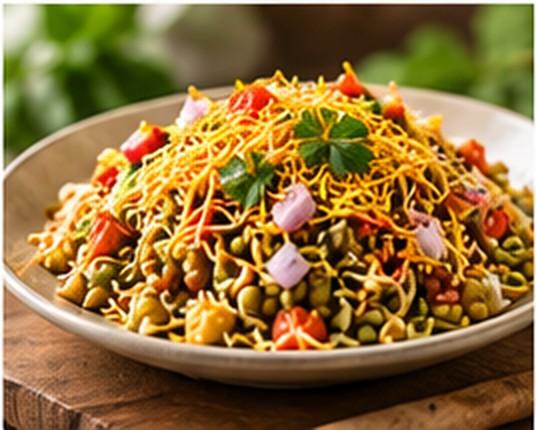
The WHO target for adults is at least 25 g of naturally occurring fibre a day. ICMR-NIN notes that people in India eat only 100–200 g of vegetables and fruits per day against a recommendation of 500 g, so there is room to improve for most households. These steps are drawn from the ICMR-NIN Dietary Guidelines for Indians, WHO and the NHS.
1. Make at least half your grains whole
ICMR-NIN advises consuming at least 50% of cereals and other grains as whole grains (minimally polished). Examples are whole wheat atta and millets such as ragi, jowar and bajra, in place of refined flour. The guidelines also suggest diversifying staples with millets.
2. Pair every cereal or millet meal with pulses
The guidelines say all cereal- or millet-based diets should be accompanied by adequate pulses or beans for good-quality protein and fibre. Dal, chana, rajma and sprouted moong all count. The NHS suggests adding pulses such as beans, lentils or chickpeas to stews, curries and salads.
3. Put vegetables in every meal
ICMR-NIN advises including non-starchy fresh vegetables and green leafy vegetables in every meal, and at least 30 g of fruit in every meal. In its 2,000 kcal food pyramid the amounts are 400 g of vegetables and 100 g of fruit a day. WHO's general advice is at least 400 g of fruit and vegetables a day for adults.
4. Choose whole fruit over juice
The guidelines say whole fruits are preferable because they contain fibre and other nutrients, and that fresh fruits are nutritionally superior to freshly prepared juices. If you do have juice, they suggest it come from not more than 100–150 g of fruit.
5. Add nuts and seeds
The guidelines include nuts and seeds in the daily plate (35 g in the 2,000 kcal pyramid). Nuts average 9 g of fibre per 100 g in the ICMR-NIN group table; in IFCT 2017 almonds have 13.06 g per 100 g raw.
6. Check labels for added fibre
ICMR-NIN advises checking whether the fibre in a packaged product is natural or added. Naturally present fibre has health benefits, but added fibre may not include all the nutrients present in the original foods. WHO's fibre target is also expressed as naturally occurring fibre found in foods.
Go slowly and drink fluids
Harvard's Nutrition Source suggests increasing fibre intake gradually, because a sudden jump can cause bloating and cramping, and notes that drinking more fluids while eating more fibre can help lessen these side effects. If you have ongoing digestive symptoms, speak to a doctor before raising fibre further.
This article is general information, not medical advice. If you have a digestive condition, diabetes, or any health concern, talk to a doctor or registered dietitian before changing your diet.