
Family Nutrition
Healthy Eating for Families
By the Aahardaily team · · 5 min read
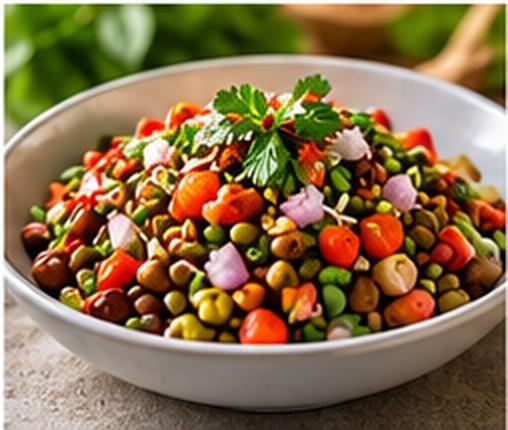
Children and adults need different amounts, but the pattern of a healthy family plate is shared. This guide combines the ICMR-NIN Dietary Guidelines for Indians with the WHO healthy diet fact sheet.
Daily targets by age (WHO)
| Age | Fibre (g/day) | Fruit and vegetables (g/day) |
|---|---|---|
| 2–5 years | 15 | 250 |
| 6–9 years | 21 | 350 |
| Older than 10 and adults | 25 | 400 |
Build the plate
- ICMR-NIN's plate takes foods from at least 10 food groups, with vegetables, fruits, green leafy vegetables, tubers and roots forming essentially half the plate.
- At least half of the recommended cereals should be whole grains such as millets. For children up to 10 years, ICMR-NIN's table suggests that 20% of cereals (raw weight) come from millets.
- Include pulses, nuts, oilseeds, vegetables, seasonal fruits, eggs and flesh foods in the regular diet (for non-vegetarian families).
- Give adequate milk, curd or yogurt to children and adolescents.
- Include more fibre-rich foods such as whole grains, millets, pulses, nuts and vegetables.
Habits to limit
- ICMR-NIN advises restricting foods high in fat, salt and sugar, and ultra-processed foods, and discouraging overeating as well as indiscriminate dieting.
- Sugar should be less than 5% of total energy per day, and no sugar should be added for children under 2 years old.
- For young children the WHO advises that salt and sugars should not be added to complementary foods, and that foods high in sugar, salt and trans fats, and sweet drinks, be avoided.
Infants and young children
WHO recommends exclusive breastfeeding for the first 6 months, continued breastfeeding until 2 years and beyond, and from 6 months a variety of adequate, safe and nutrient-dense complementary foods. Ask your paediatrician about feeding your child.
During pregnancy
ICMR-NIN advises expectant mothers to choose fibre-rich foods (around 25 g per 1,000 kcal), such as whole grain cereals, pulses and vegetables, and to drink plenty of fluids (over 2 litres a day), which together help prevent constipation. Follow your doctor's advice for your own situation.
Stay active
ICMR-NIN also lists promoting physical activity and appropriate lifestyle practices among its family and child nutrition points.
This article is general information, not medical advice. If you have a digestive condition, diabetes, or any health concern, talk to a doctor or registered dietitian before changing your diet.